


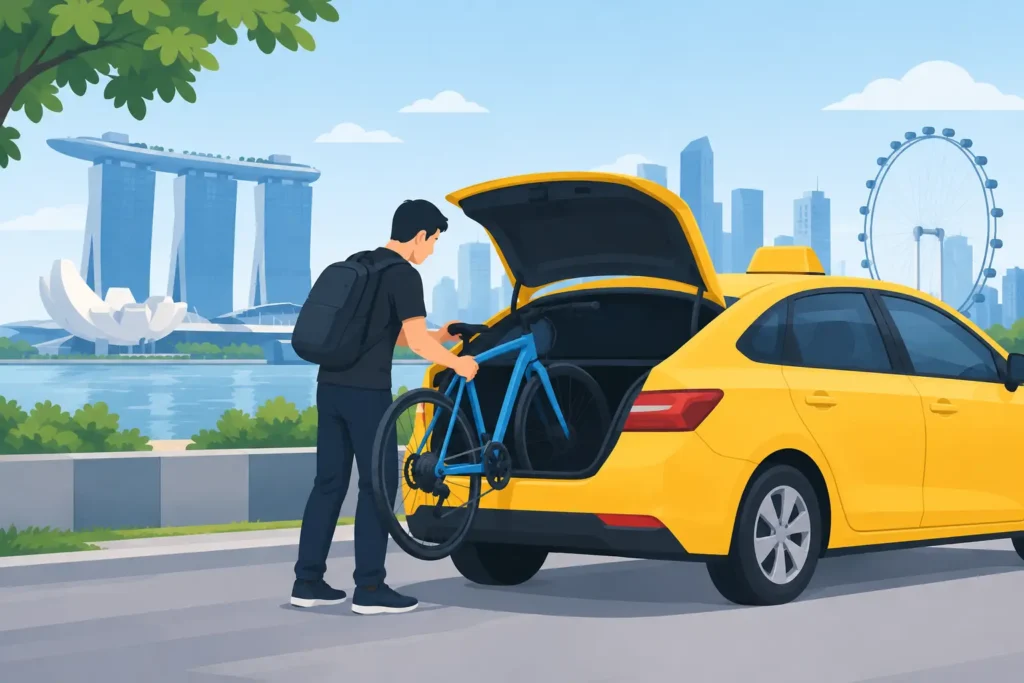
A bicycle can turn a simple ride across Singapore into a transport problem the moment rain starts, a mechanical issue appears, or your route ends far from home. Booking a taxi for bicycle transport Singapore riders can rely on is less about finding any available car and more about matching the bike, passenger count, luggage, and timing to the right vehicle.
For a solo rider with a folding bike, a regular MPV may be sufficient. For a full-size road bike, mountain bike, e-bike, or several bicycles traveling with a group, a larger van or maxicab is usually the safer choice. A little planning prevents cramped loading, delays at pickup, and unnecessary damage to bicycles or vehicle interiors.
Choose the Vehicle Before You Confirm the Ride
The main booking question is simple: can the bicycle fit securely without obstructing the driver or passengers? This depends on the bicycle dimensions and whether the wheels, pedals, or handlebars can be removed or folded.
A compact folding bicycle is the easiest case. Once folded and bagged, it may fit in the rear of a larger MPV alongside one or two passengers. Still, tell the booking team that you are carrying a bicycle. Luggage space differs between vehicles, and a driver should not arrive expecting only hand-carry bags.
Full-size bicycles need more room. A 6- or 7-seat MPV may work for one bike with its front wheel removed and rear seats folded, but passenger capacity drops quickly. If you have two full-size bicycles, bike boxes, helmets, backpacks, or a child seat, a Toyota HiAce or another larger van is the more practical option. It gives the driver space to load carefully and lets passengers travel in comfort rather than sharing a cramped cabin with loose equipment.
For cycling clubs, corporate wellness rides, school activities, event teams, or family outings, book based on the entire movement rather than the bicycle count alone. Consider riders, support staff, water coolers, spare parts, bags, and pickup points. A 13-seat vehicle can be useful for a smaller group, while a minibus is often better for larger groups that need people and equipment moved together.
E-bikes and specialty bicycles need extra details
E-bikes are heavier than standard bicycles and may require more than two people to load safely. Tell the operator the approximate weight, battery type, and whether the battery can be removed. Do not assume every vehicle can accommodate an e-bike upright or that a driver can lift it without assistance.
Cargo bikes, tricycles, tandem bicycles, and bicycles in hard travel cases should be declared when booking. These items may require a dedicated van, a specific loading arrangement, or separate transport. Clear information upfront is the fastest route to a safe and punctual pickup.
What to Tell a Taxi for Bicycle Transport Singapore Provider
A useful booking message answers the questions a dispatcher would otherwise need to ask at the last minute. State the pickup and drop-off locations, date, preferred time, number of passengers, number of bicycles, and whether each bike is folding or full-size. Mention wheel removal, bike bags, large luggage, and any special item such as an e-bike or child carrier.
It also helps to say whether the timing is fixed. A cyclist traveling to a race registration, ferry terminal, airport, or work shift may have no flexibility. A return transfer after a recreational ride can be more variable due to weather, fatigue, or route changes. When the schedule matters, allow a sensible buffer for loading and traffic.
Photos can be useful for unusual bicycles or equipment. A picture of a boxed bicycle, tandem frame, or cargo bike helps the transport team recommend a vehicle with confidence. This is particularly valuable when arranging transport for someone else, such as employees attending a wellness event or students joining a cycling program.
Avoid describing the booking simply as “one passenger.” A full-size bicycle is not ordinary luggage. Accurate details protect everyone involved and reduce the risk of a vehicle arriving that cannot legally or safely carry the load.
Prepare the Bicycle for Safe Loading
A suitable vehicle is only half the job. Basic preparation keeps the bicycle stable and protects other passengers’ belongings. Before pickup, remove loose accessories such as lights, pumps, GPS computers, water bottles, and detachable bags. Secure the handlebars so they do not swing into doors or windows.
If the front wheel needs to come off, bring the correct tool and a wheel bag if available. Place a spacer in the front fork of a disc-brake bicycle if you have one, so the brake pads are protected during transport. Cover greasy chains and pedals with a cloth, bag, or dedicated bike cover. It is a small step that keeps upholstery and other luggage clean.
Do not force a bicycle into a vehicle or rest it against a seat in a way that could bend a derailleur, damage a wheel, or block an emergency exit. The driver may suggest a different loading position based on the vehicle layout. Follow that guidance. Professional drivers understand vehicle safety, clearance, and passenger comfort, while cyclists know the parts of their own bicycles that need special care.
For multiple bikes, padding between frames is worth the effort. A blanket, bike bag, or cardboard separator can prevent pedal scratches and frame contact. If the trip includes rough roads, long distance, or cross-border travel, use straps or other approved restraints so equipment does not shift while the vehicle is moving.
Plan Around Singapore’s Real-World Cycling Conditions
Singapore is compact, but a bike transfer can still become time-sensitive. Afternoon thunderstorms, peak-hour traffic, road works, and event road closures can change travel time quickly. If you need to reach a start point at a specific hour, book early enough to account for loading rather than scheduling the vehicle for the exact event start time.
A one-way transfer is common when riders want to begin at one park connector or trail and finish somewhere else. It works well for groups that prefer not to cycle back after a long route. For a planned return ride, hourly hire can be a better fit when the end time is uncertain. The vehicle can remain available for the group instead of requiring a new pickup after the activity.
This approach also suits businesses running cycling-related team events. Operations and HR teams can arrange one vehicle for participant transfers, another for equipment, or a larger vehicle for both, depending on headcount and bike type. The right plan avoids asking employees to dismantle their bicycles or take separate rides after the event.
When a Maxicab Is Better Than a Standard Taxi
A standard taxi is designed for passengers and modest luggage, not bulky sporting equipment. It can be reasonable for a small folding bike, but full-size bicycles create practical limits. Rear-seat space, trunk opening size, passenger capacity, and the driver’s ability to load safely all matter.
A maxicab or van is normally the better choice when you have a full-size bike, more than one rider, airport luggage, or a fixed appointment. It is also more suitable for early-morning rides, late-night pickups, and group movements where punctuality is a priority. The upfront quote may be higher than a regular taxi, but the cost should be weighed against needing multiple cars, waiting for a suitable vehicle, or risking a failed pickup.
For airport transfers, confirm the airline bike-packing requirements separately. A vehicle can carry your bicycle box to the airport, but airline acceptance depends on the carrier’s own size, weight, and packing rules. Allow additional time at the terminal, especially when several riders are traveling with oversized equipment.
Singapore Workers Transport can arrange larger vehicles for one-time bicycle movements, group rides, and planned event transfers. The practical advantage is having a fleet option that fits the job, from MPVs for smaller loads to vans and minibuses for larger groups, rather than trying to make one vehicle type serve every situation.
Book Early for Fixed-Time Trips
Same-day transport may be possible, but early booking gives you the best chance of securing the right vehicle. This matters most on weekends, public holidays, during major events, and for pre-dawn starts. It also gives the operator time to confirm loading needs with the assigned driver.
Before the vehicle arrives, keep your phone available, bring the tools needed to remove a wheel if required, and be ready at the pickup point. Tell the driver if access is limited by a condominium gate, loading bay rules, or a specific meeting point within a park or venue. Those small details keep a bicycle transfer moving safely and on time.
The best ride is the one that lets you focus on the route ahead, not on whether your bicycle will fit. Share complete details when booking, choose capacity over guesswork, and give your bike the same care you give your next ride.