




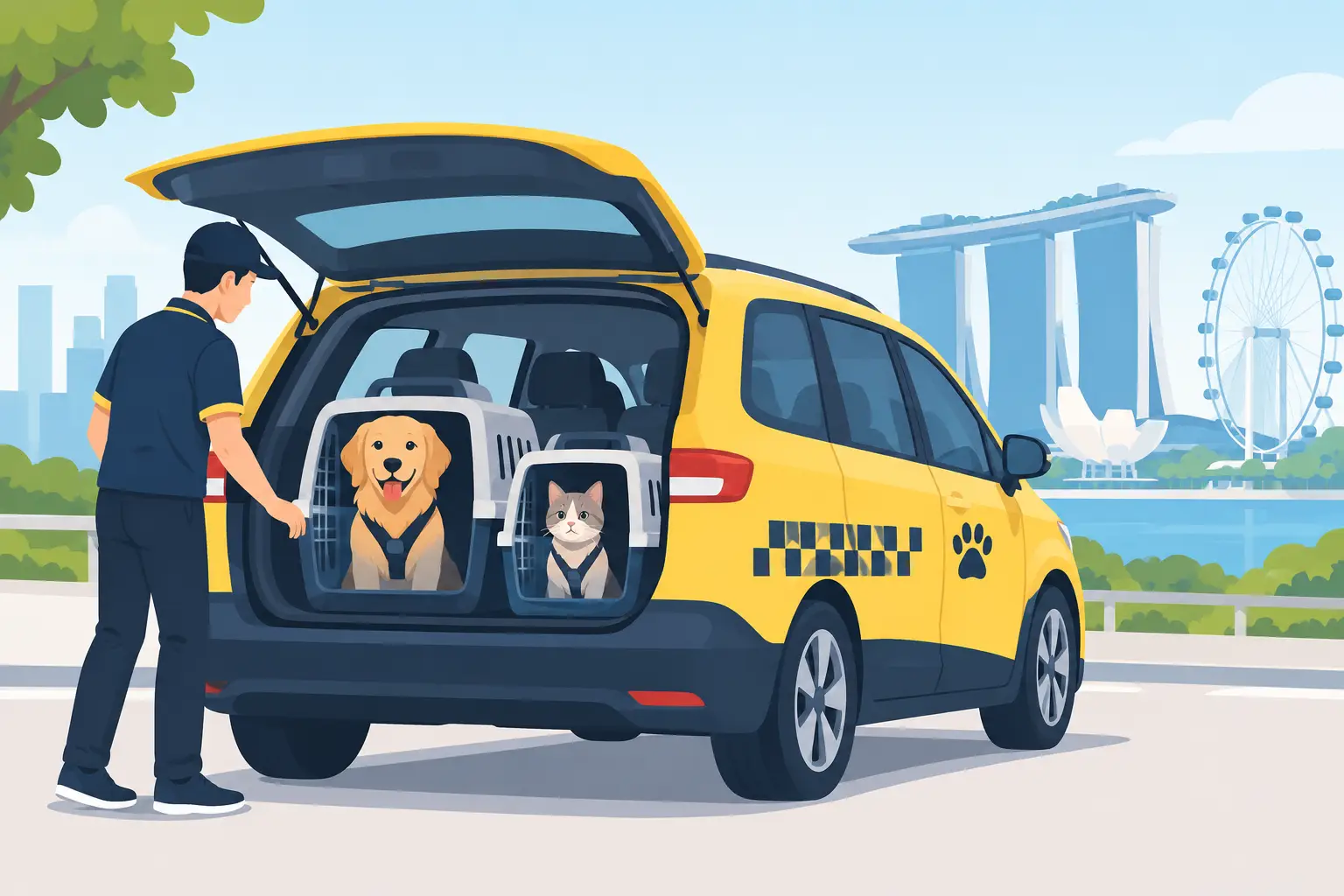
A last-minute veterinary appointment is stressful enough without wondering whether your pet, carrier, family member, and supplies will fit in the next ride. A reliable pet taxi service Singapore pet owners can book in advance gives everyone more room, more control, and a calmer start to the journey.
For many trips, the right transport is not simply the smallest vehicle available. A nervous dog may need a secure crate. A cat may need a stable carrier placed away from direct sun. An owner may need to travel with medication, a folded stroller, towels, or a second pet. Planning the vehicle around those details is what turns a basic ride into dependable pet transport.
When a Pet Taxi Service Singapore Is the Better Choice
Pet transport is useful for more than emergency veterinary visits. Owners often need a vehicle for scheduled checkups, grooming appointments, pet hotel drop-offs, airport movements, relocation days, and visits to family members. Larger vehicles can also make sense for dog owners heading to parks, beaches, or pet-friendly outings with multiple passengers.
The main advantage is space and predictability. A private transfer lets you travel with your pet rather than sending them separately, and it avoids the uncertainty of whether a standard vehicle will accept a carrier, a crate, or a wet dog after an outdoor session. For elderly pets, recovering pets, or animals that become anxious in unfamiliar surroundings, a direct point-to-point ride can reduce unnecessary waiting and transfers.
It does depend on the pet and the journey. A small cat in a secure carrier may only require a compact MPV. A large dog, two carriers, or a family traveling with luggage may be better served by a Toyota HiAce or another larger vehicle. The most practical booking is the one that leaves enough room for safe placement of the pet and comfortable seating for people.
Start With Safety, Not Vehicle Size
A spacious vehicle is helpful, but safe setup matters more than extra seats. Pets should travel in a secure carrier, crate, or appropriate restraint based on their size and temperament. This helps prevent sudden movement during braking and keeps the animal from distracting the driver.
Before departure, confirm that the carrier is properly latched and that your pet has identification details on its collar or carrier. Bring water for longer rides, along with a towel or absorbent mat if your pet is prone to motion sickness, shedding, or accidents. For a veterinary journey, keep medical records and medication within reach instead of packing them under bags.
Owners should also tell the transport provider about any concerns in advance. A reactive dog, a pet recovering from surgery, an oversized crate, or a pet that cannot jump into a vehicle may require a different loading plan. Clear information allows the driver to prepare and helps prevent delays at pickup.
Choose the Right Vehicle for the Trip
The best pet ride is not always the biggest option. Smaller MPVs such as Toyota Noah or Voxy models can work well for one or two passengers traveling with a small or medium pet in a carrier. They offer a more comfortable alternative when a standard sedan feels too tight.
For larger dogs, multiple pets, bulky crates, wheelchairs, or family luggage, a van offers more practical space. A Toyota HiAce can be a sensible choice where the priority is cargo room and easier group movement. If the trip includes executives, visiting clients, or a premium family occasion, an Alphard, Vellfire, or Mercedes-Benz Viano may offer a more refined cabin while still accommodating a well-managed carrier.
There is a trade-off. Larger vehicles offer flexibility, but booking more capacity than required can increase cost. The right approach is to describe the number of passengers, pet type, carrier dimensions, luggage, and destination, then select a vehicle that fits the real load without squeezing anyone in.
What to Share When Booking Pet Transport
Fast bookings work best when the provider receives the full picture upfront. Instead of only requesting a ride, share the operational details that affect vehicle assignment and pickup timing:
- Pickup location, destination, date, and preferred departure time
- Number of passengers and number of pets traveling
- Pet size, carrier or crate dimensions, and any special behavior concerns
- Luggage, mobility equipment, or other bulky items
- Whether the ride is point-to-point, hourly, or includes return transport
These details are particularly useful for vet appointments. Appointment times can shift, and some treatments require owners to wait nearby or return later in the day. An hourly booking or pre-arranged return transfer may be more suitable than trying to secure a new vehicle after the appointment.
For recurring needs, such as regular therapy sessions, grooming schedules, or transport for an animal welfare group, a planned arrangement can simplify the process. The same pickup instructions, vehicle type, and timing can be recorded in advance, reducing repeat coordination for every journey.
Preparing Your Pet for a Calmer Ride
A good transport plan begins before the vehicle arrives. Give your pet time to use the bathroom before departure, especially if the ride may involve traffic or waiting at a clinic. Avoid a large meal immediately before travel if your pet is prone to nausea, unless a veterinarian has given different instructions.
For cats and small animals, place a familiar blanket inside the carrier and keep the carrier closed throughout the journey. For dogs, use the restraint system or crate that they know best. Bringing a favorite toy or a familiar scent can help, but avoid loose objects that may roll around during the ride.
Keep handoffs calm and quick. Pets often respond to their owner’s pace and voice. If loading takes longer because a pet is frightened or has limited mobility, let the driver know rather than rushing the process. A few extra minutes at pickup can prevent a difficult ride later.
Professional Drivers Make a Practical Difference
Pet owners need more than a vehicle. They need a driver who arrives punctually, follows pickup instructions, drives smoothly, and respects that an animal may be anxious. Professional, licensed, and insured transport provides reassurance when the journey involves a clinic visit, an airport schedule, or a time-sensitive move.
For business users, this applies to workplace situations too. Companies that arrange animal-assisted activities, pet-friendly team events, or staff welfare outings may need group transport that can accommodate people and pets responsibly. Vehicle capacity, route planning, and clear passenger rules should be confirmed before the event, especially when multiple animals are involved.
Singapore Workers Transport supports one-time and scheduled private transport requirements with a range of MPVs and larger vehicles. When requesting a pet-related transfer, provide complete details so the appropriate vehicle and travel arrangement can be considered for the journey.
Questions Pet Owners Commonly Ask
Can an owner ride with their pet?
In most private transport situations, owners should travel with their pets whenever possible. It helps the animal stay calmer and ensures the owner can manage feeding, medication, or comfort needs. Confirm passenger capacity when booking, particularly if a large crate takes up part of the cabin.
Should pets be in carriers or crates?
For safety, a secure carrier or crate is generally the most sensible option, especially for cats, small animals, or nervous pets. Larger dogs may require an appropriate restraint or crate depending on the vehicle and the dog’s behavior. Discuss the setup before the trip rather than assuming every arrangement is suitable.
Is a return ride worth arranging?
If your appointment has a predictable end time, a return booking removes one task from a busy day. If timing is uncertain, an hourly arrangement may offer better flexibility. The better choice depends on the clinic schedule, your pet’s condition, and how long you expect to wait.
A pet journey is easier when transport is planned around the animal, not forced into whatever space is available. Share the details early, allow enough room for a secure setup, and give your pet the calm, punctual ride they deserve.